-
Shop
- Adidas
- Advanced Technologies
- Arts, Crafts & Hobbies
- Back to School
- Bathroom
- Car Accessories
- Christmas Collection
- Dating & Social Skills
- Digital Resources
- Education & Learning
- Family & Parenting
- Fashion
- Fashion Accessories
- Furniture
- Gadgets
- Halloween
- Health & Beauty
- Health & Wellness
- Home & Garden
- Home Supplies
- Kids & Babies
- Kitchen
- Lighting
- Patio, Lawn & Garden
- Personal Growth
- Pet Care
- Pet Supplies
- Pets
- Shoes
- Sport & Outdoors
- Super Deals
- Thanksgiving Digital Collection
- AI & Tech-Enhanced Thanksgiving
- Budgeting & Smart Shopping
- Eco-Friendly & Sustainable Thanksgiving
- Family & Kids
- Gift Ideas Guides
- Gratitude & Mindfulness
- History & Meaning
- Hosting & Planning
- Leftovers & Storage
- Pets & Thanksgiving
- Social Media Captions & Ideas
- Thanksgiving DIY Ideas
- Thanksgiving Recipes
- Thanksgiving Products
- Travel
- Wealth
- Blog
- Popular
- Best deals
- Home
Feed Their Mood: Pet Nutrition and Behavior Guide
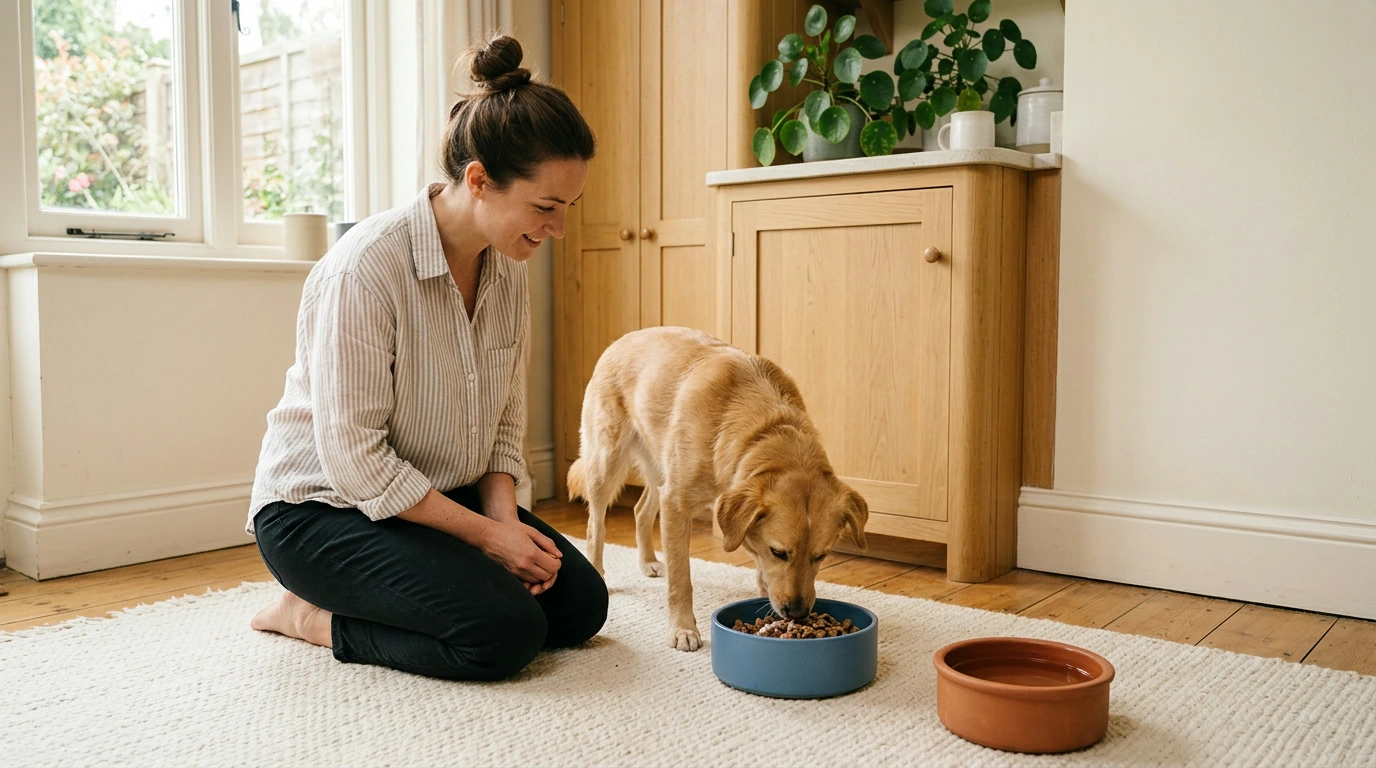
Feed Their Mood: Pet Nutrition and Behavior Guide
Why Food and Behavior Belong in the Same Conversation
A diet that meets your pet’s nutritional needs supports normal health and gives them the energy they need for daily activities. If your pet is hungry, uncomfortable, or unsure when their next meal will arrive, that may affect how they respond to their surroundings. But behavior can also reflect sleep, exercise, stress, changes at home, or a medical condition.
Start by looking for patterns rather than assuming food is the cause. For example, note whether your pet seems unsettled before a delayed meal or whether a change in activity appears at other times, too. Your observations can help a veterinarian understand what is happening without jumping to a conclusion.
The WSAVA Global Nutrition Guidelines offer resources on nutritional assessment and feeding practices you can discuss with your veterinary team.
Check the product’s listed specifications when evaluating why food and behavior belong in the same conversation.
Build a Steady Feeding Routine
Choose a complete, balanced diet appropriate for your pet’s species and life stage. Consistent mealtimes and measured portions can make it easier to notice changes in appetite and keep track of how much your pet eats. Make fresh water available and pay attention to their usual drinking habits.
Portion needs vary with age, body condition, activity, and health. Ask your veterinarian how much to feed rather than relying solely on a package recommendation. If a diet change is appropriate, ask for a gradual transition plan tailored to your pet, especially if they have a medical condition or a sensitive digestive system.
Featured in this guide
Feed Their Mood: How Pet Nutrition Shapes Behavior | Digital Pet Guide on how pet nutrition affects behavior, Mood, Training & Daily Wellness
Use Food Thoughtfully in Training
Small, species-safe rewards can reinforce behaviors you want to see again. Offer a reward promptly after the desired action, and keep sessions short enough for your pet to stay engaged. You might reward a calm response, a recall, or a moment of cooperation with handling.
Choose rewards that fit your pet’s dietary needs and count them as part of their daily food intake. Ask your veterinarian for guidance if your pet is on a prescribed diet. Praise and play can also be useful rewards.
Foods safe for people are not always safe for pets. Ask your veterinarian about safe choices for your particular species.
Make Sense of Behavior Changes
Keep a simple record of meal times, food and treat amounts, activity, and the behavior you observed. Note when the change began and any changes at home, such as visitors or a different schedule.
Sudden or persistent behavior changes can signal discomfort or illness. Contact your veterinarian for advice rather than trying to solve the change through diet alone.
Check the product’s listed specifications when evaluating make sense of behavior changes.
Explore Feed Their Mood
Our Feed Their Mood digital pet guide is a resource for exploring nutrition, behavior, training, and daily wellness together.
Use it to consider your pet’s daily habits and prepare questions for your veterinarian or a qualified trainer. Our team recommends pairing any general guide with advice suited to your individual pet.
If you are also interested in personal care resources, we offer the Soothing Routines Pack for Dry Sensitive Skin, an in-stock digital skincare bundle. It is a separate resource for people, not a pet-care product.
Before choosing, compare the product details with your daily routine, available space, care needs, and preferred setup. The strongest option is usually the one that fits the intended use clearly and remains simple to clean, store, and check before repeat use.
It is also worth checking measurements, material notes, included parts, and compatibility details so the item matches the way it will be used after delivery.
FAQ
What does mood food mean?
Mood food generally means food considered in relation to mood. For pets, balanced nutrition supports health but does not guarantee a particular behavior.
How to boost your mood?
For people, connecting with others, moving your body, and keeping a regular routine may help support mood. If low mood persists or interferes with daily life, consider talking with a healthcare professional.
What’s it called when you eat because you’re sad?
Eating in response to sadness is often called emotional eating. If it concerns you or feels difficult to manage, a healthcare professional can offer support.
See if Feed Their Mood: How Pet Nutrition Shapes Behavior | Digital Pet Guide on how pet nutrition affects behavior, Mood, Training & Daily Wellness fits your setup







Leave a comment